Reclaiming Our Past,
Activating Our Power
Who We Are
The Imperial Valley Social Justice Committee (IVSJC) is a diverse, grassroots organization committed to advancing social change through civic engagement. We are founded on the belief that everyone deserves equal rights, access, and opportunity, and that community transformation begins with informed and collective action.
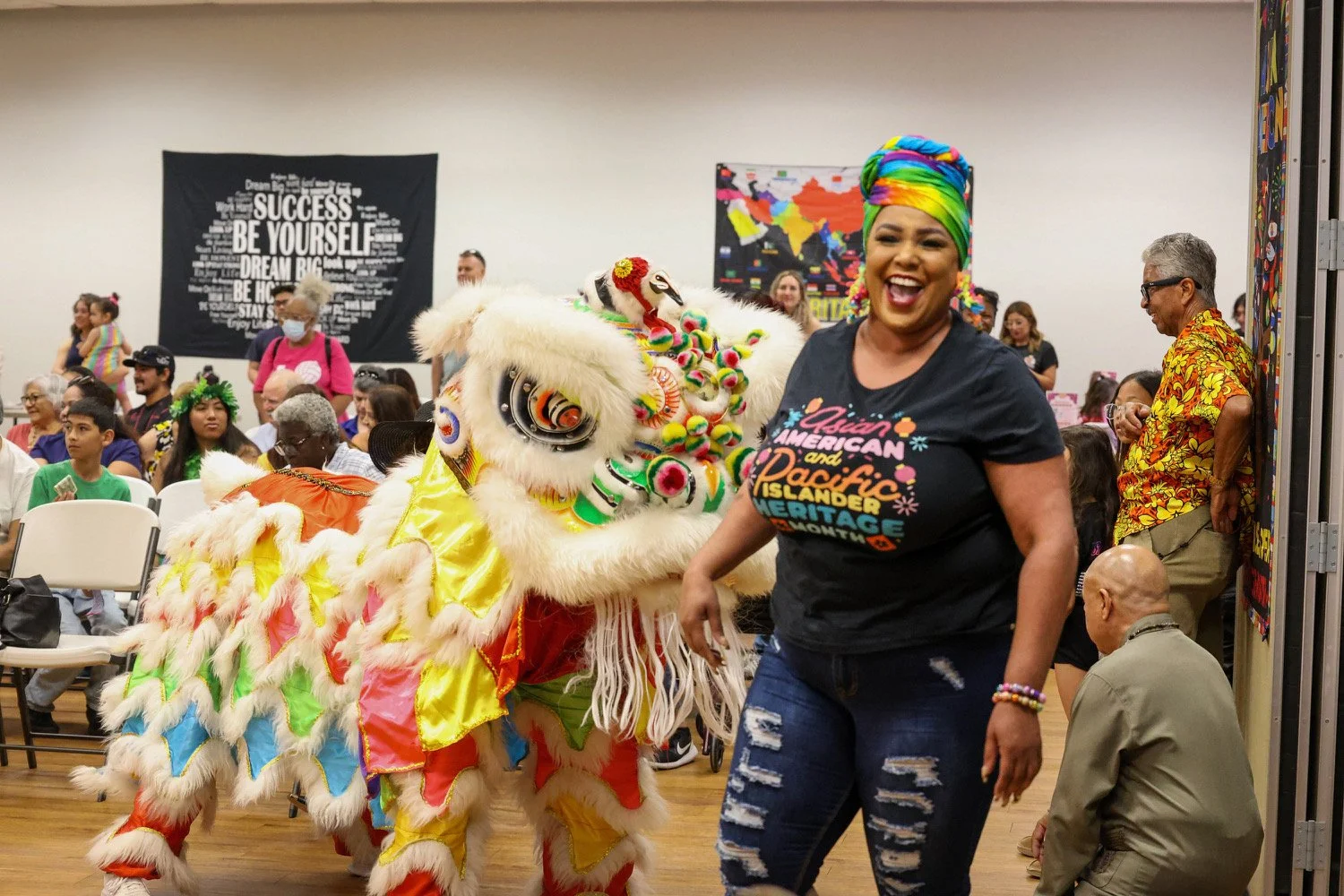
We represent the full cultural tapestry of the Imperial Valley, reaching and engaging residents of all ages—from high school students activating change in their schools to elders whose wisdom forms our foundation. We are not just advocates; we are activators. Our story is one of Reclamation—honoring the region's proud and diverse history—and Activation—equipping neighbors, youth, and elders with the tools to speak for themselves. Our work is fundamentally locally led and culturally grounded, ensuring that the fight for justice always addresses the specific, deep-seated needs of our region.
Our Mission
Our mission is to put justice into practice, working to secure equity, equal rights, and economic opportunity for all Imperial Valley residents. We achieve this by amplifying marginalized voices through training and advocacy, promoting accountability in public systems, and mobilizing the community to address systemic issues.

IVSJC's work is driven by a three-pronged, culturally-grounded approach to achieving long-term equity:
Our Core Pillars of Work
-
Honoring and preserving underrepresented histories and the cultural richness of the region
-
Providing accessible information and skill-building opportunities in leadership, organizing, and public service.
-
Mobilizing residents to engage with decision-makers and policy, pushing for accountability in areas from educational equity to environmental justice.
While the Imperial Valley is a place of incredible resilience, we must confront persistent systemic challenges together.
The Challenge We Face
-
Addressing limited public bus access that restricts community participation and mobility.
-
Breaking down bureaucratic barriers to ensure residents can access and engage key decision-makers, such as the District Attorney, Chief of Police, and City Council.
-
Navigating complex environmental health concerns and permitting issues that disproportionately affect our communities.